- 2026年2月6日
Hato Sable
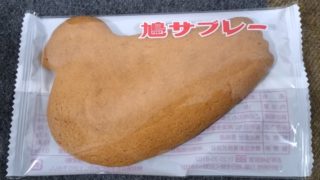
I ate “Hato Sable”

Today, we’ll change things up and take a deeper look at “Hato Sable”, a cute snack from Kanagawa Prefecture.
The Pigeon Sable is a cookie born in Kamakura. It first appeared around 1897 and has been loved by people for over 100 years.
Packed with butter and wonderfully crisp, you could easily eat one after another.
Interestingly, the recipe ratio (the proportion of ingredients) has apparently remained unchanged since the Meiji era.
I imagine people back then, having never tasted anything like it, must have been amazed by how delicious it was.
Alongside its delicious taste, I believe the “Hato Sable” adorable shape is one of its major charms.
While there are many cute cookies and Japanese sweets out there, the “Hato Sable” simple design is particularly appealing, isn’t it?
The founder of Toyoshimaya, creator of the “Hato Sable”, held deep reverence for Tsurugaoka Hachimangu Shrine.
He had long wished to create a confection inspired by Hachiman-sama, the deity enshrined there, and thus shaped it in the form of a pigeon.
This might be a slight digression, but why was a dove depicted on the shrine’s plaque in the first place?
What is the connection between Hachimangu and doves?
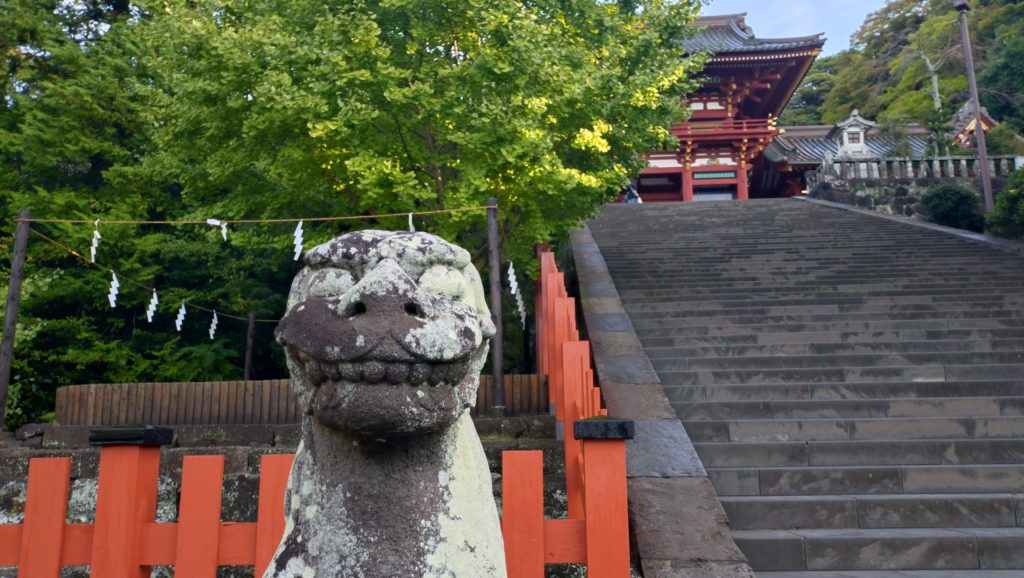
First, the Hachiman deity (Yahata no Kami, Hachiman-shin) is a deity worshipped in Japan, identified with Emperor Ojin, also known as Hondawake no Mikoto.

While Japan has many shrines dedicated to various deities, the “Hachiman Shrines” dedicated to Hachiman are said to be the most numerous.
The head shrine for the many Hachiman Shrines in Japan is Usa Jingu in Oita Prefecture. It is said that the founding of Usa Jingu was connected to the divine spirit of Emperor Ojin manifesting in the land of Usa.
Furthermore, there is a legend that when the deity was transferred from Usa Jingu to Iwashimizu Hachimangu, a pigeon guided the way, which is said to be the origin of pigeons being regarded as divine messengers.
There is also a story, or perhaps not, that when the deity was transferred to Tsurugaoka Hachimangu, a pigeon guided the way.
While writing this, I ventured out early one morning to Tsurugaoka Hachimangu Shrine in Kamakura.
Since Kamakura is a tourist destination, it’s usually bustling with visitors during the day,
but the morning atmosphere was wonderfully peaceful, with locals taking walks and paying their respects.
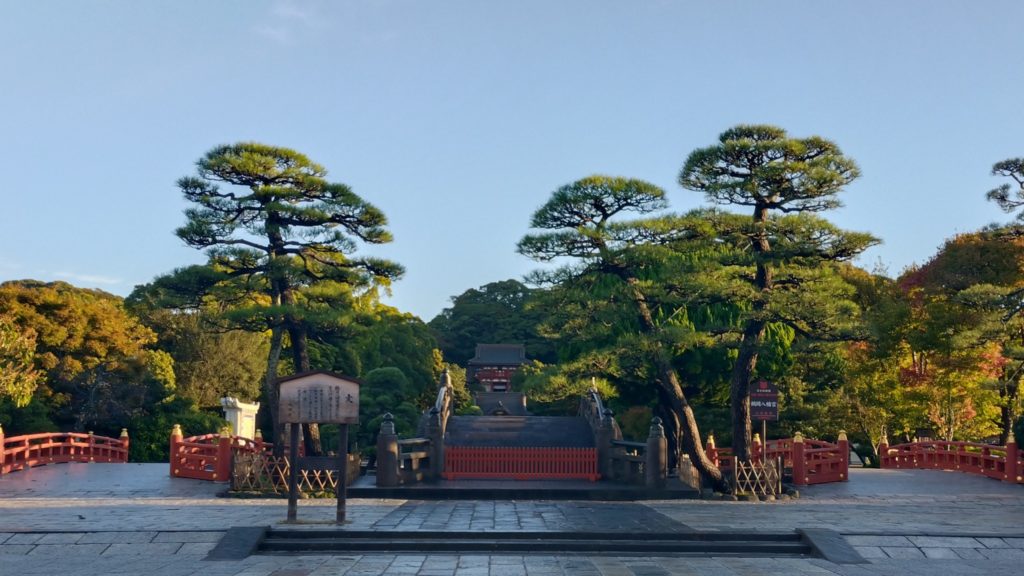
I also visited the main store of “Hato Sable”.

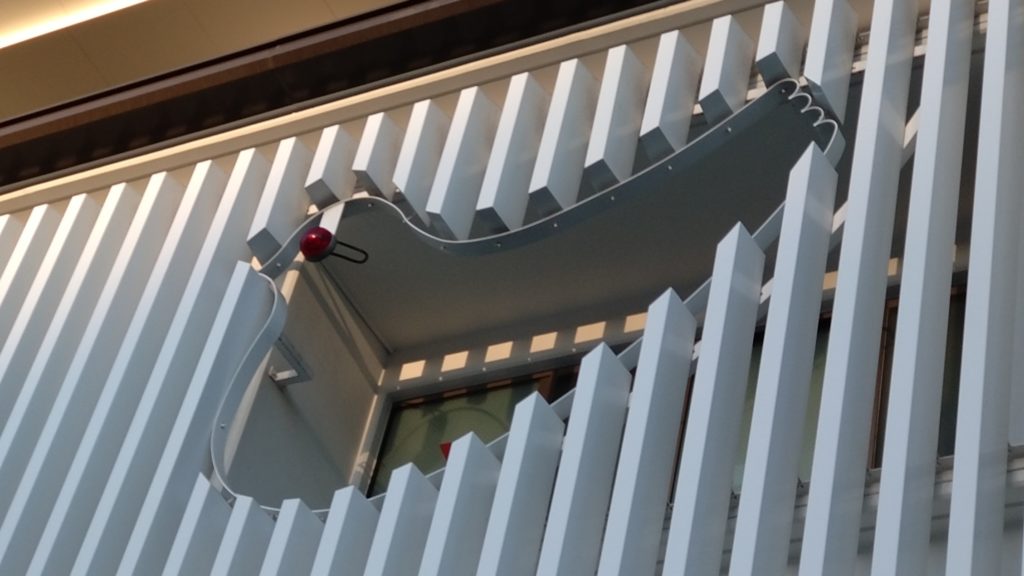
I deliberately went when it was closed, not during business hours. Of course, part of the reason was to avoid crowds and people getting in photos, but I also wanted to see the pigeon drawn on the shutter.
The pigeon is blowing bubbles and riding stilts. How cute.

“Hato Sable” cookies are basically divided into bagged, paper boxed, and canned varieties.
The bagged version contains 10 cookies.
The paper boxed version comes in three types: 4 cookies (with a carrying handle), 6 cookies, and 8 cookies.
The canned version comes in four types: 16 cookies, 25 cookies, 34 cookies, and 44 cookies.
Personally, I prefer the tin containers.
After finishing the “Hato Sable”, I keep the cute pigeon-patterned tins as storage containers instead of throwing them away.

Special New Year’s editions in paper boxes and tins are released annually, making them a popular topic each year.
The 2026 New Year’s edition features designs inspired by the zodiac sign “Horse.”
These “Hato Sable” are only sold in Kanagawa Prefecture and Tokyo. They’re a rare and valuable treat.
With a relatively long shelf life of about 30 days, they make excellent souvenirs for Japan travelers or gifts for overseas relatives and friends.
It’s only sold in Kanagawa Prefecture and Tokyo.
It’s a rare and highly valued sweet.
Thank you, Toshimaya, for providing us with such cute and delicious sweets!!!
seller
関連記事Related articles
- 2025年8月15日
55周年おめでタイ!ビーバー

- 2025年3月5日
福島菓子舗

- 2025年12月9日
鮭とばコーンチップス

- 2025年10月23日
森八
- 2026年1月10日